amazon adventure how tiny fish are saving the worl
Ernesto Auer
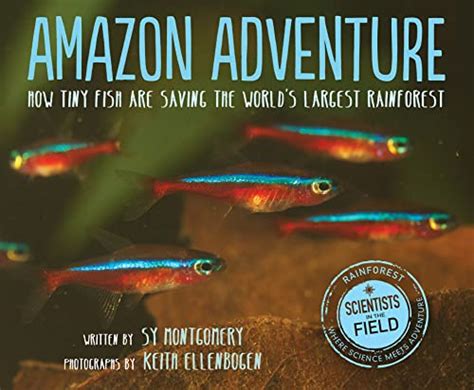
amazon adventure how tiny fish are saving the worl
The Amazon rainforest is often called the "lungs of the Earth" due to its vital role in producing oxygen and maintaining global ecological balance. Amidst this vast and complex environment, one of the most fascinating and impactful stories is how tiny fish are playing an outsized role in saving the world. These small aquatic creatures, often overlooked, are at the forefront of ecological preservation, biodiversity conservation, and even climate change mitigation. In this article, we explore the incredible ways in which these tiny Amazon fish are making a big difference and why their survival is crucial for our planet’s future.
The Importance of Tiny Fish in the Amazon Ecosystem
Understanding the significance of tiny fish in the Amazon begins with recognizing their role within the intricate web of life that sustains the rainforest and its waterways.
1. Biodiversity and Ecological Balance
The Amazon River basin is home to thousands of fish species, many of which are tiny and specialized to thrive in specific niches.
- Species Diversity: Tiny fish such as tetras, rasboras, and small catfish contribute to the immense biodiversity of the region. This diversity helps maintain ecological stability by supporting various food webs.
- Food Chain Dynamics: These small fish serve as prey for larger fish, birds, and mammals, forming a vital link in the food chain that sustains the entire ecosystem.
- Habitat Maintenance: Many tiny fish help control algae and insect populations, preventing overgrowth and maintaining water quality.
2. Water Quality and Nutrient Cycling
Tiny fish are key players in the health of Amazon waterways through their roles in nutrient cycling.
- Detritivores and Cleaners: Some small fish feed on detritus and organic matter, helping to break down waste and keep water clear.
- Nutrient Redistribution: Their movement and feeding habits facilitate the distribution of nutrients, promoting healthy aquatic plant growth.
- Oxygenation: Through their activities, they contribute to oxygen levels in the water, supporting overall aquatic life.
How Tiny Fish Are Contributing to Climate Change Mitigation
While it might seem unlikely, tiny Amazon fish are playing a subtle yet significant role in combating climate change.
1. Carbon Sequestration
The Amazon's aquatic ecosystems act as carbon sinks, and tiny fish are integral to this process.
- Organic Carbon Transport: Small fish consume organic material and, through their excretion, help sequester carbon in sediments.
- Supporting Vegetation Growth: Their activities promote healthy aquatic and riparian vegetation, which absorbs CO₂ from the atmosphere.
2. Maintaining Ecosystem Resilience
Healthy fish populations help ecosystems adapt to changing climate conditions.
- Buffer Against Extremes: Tiny fish populations contribute to the resilience of aquatic systems, making them more capable of withstanding droughts and floods.
- Preservation of Biodiversity: By maintaining biodiversity, these fish help ecosystems recover from environmental stresses faster.
Threats Facing Tiny Fish and How They Impact the Amazon and Beyond
Despite their importance, tiny Amazon fish face numerous threats that jeopardize their survival, with cascading effects on the entire ecosystem.
1. Deforestation and Habitat Loss
The rapid expansion of agriculture, logging, and urbanization leads to loss of aquatic habitats.
- Pollution: Increased sedimentation and chemical runoff degrade water quality, harming tiny fish populations.
- Flow Disruption: Dams and water diversions alter natural flow regimes, impacting breeding and migration patterns.
2. Overfishing and Exploitation
Unsustainable fishing practices, including bycatch of small species, threaten their populations.
- Loss of Food Web Components: Removing tiny fish disrupts the food chain, affecting larger predators and overall biodiversity.
- Economic Impact: Local communities relying on fish for sustenance and income face hardships when these populations decline.
3. Climate Change and Environmental Stress
Rising temperatures and changing rainfall patterns threaten the delicate balance of aquatic ecosystems.
- Altered Water Levels: Droughts reduce habitat availability for tiny fish.
- Increased Pollution: Heavy rains wash pollutants into waterways, further stressing fish populations.
Innovative Conservation Strategies for Tiny Amazon Fish
Recognizing the critical role of tiny fish, scientists, conservationists, and Indigenous communities are working together to develop strategies to protect these vital species.
1. Protecting and Restoring Habitats
Efforts focus on safeguarding existing ecosystems and restoring degraded areas.
- Establishing Protected Areas: Creating reserves that encompass critical fish habitats.
- Restoration Projects: Reforestation and riverbank stabilization to improve water quality and flow.
2. Sustainable Fishing and Community Engagement
Promoting sustainable practices ensures the survival of tiny fish populations.
- Community-Based Management: Involving local and Indigenous communities in conservation efforts.
- Education and Awareness: Teaching sustainable fishing techniques and the importance of tiny fish in ecosystem health.
3. Scientific Research and Monitoring
Ongoing research helps inform conservation policies and track fish populations.
- Population Surveys: Regular monitoring to detect declines or shifts in species distribution.
- Genetic Studies: Understanding genetic diversity to bolster resilience.
The Future of Tiny Fish and Our Planet
The story of tiny Amazon fish is a testament to the interconnectedness of life and the importance of even the smallest creatures in saving the world. Their survival hinges on our collective efforts to reduce habitat destruction, pollution, and climate change impacts. By protecting these tiny fish, we are safeguarding not only the health of the Amazon but also the stability of our global environment.
How You Can Help
Everyone has a role in the conservation of tiny Amazon fish and the ecosystems they support.
- Support organizations working on Amazon conservation projects.
- Reduce your carbon footprint by adopting sustainable practices.
- Educate others about the importance of biodiversity and ecosystem health.
- Advocate for policies that protect natural habitats and promote sustainable development.
In conclusion, the humble tiny fish of the Amazon are more than just small aquatic creatures; they are vital guardians of ecological balance, climate stability, and biodiversity. Their story underscores the importance of preserving even the smallest parts of our planet's intricate web of life. As we continue to understand and support their survival, we move closer to a healthier, more resilient Earth—proving that sometimes, the tiniest beings can indeed save the world.
Amazon Adventure: How Tiny Fish Are Saving the World
The Amazon rainforest, often heralded as the "lungs of the Earth," is an extraordinary ecosystem teeming with biodiversity. Among its myriad inhabitants, tiny fish—often overlooked due to their size—are emerging as unexpected heroes in the fight to preserve our planet’s health. Their unique behaviors, ecological roles, and potential applications are unveiling a new frontier in conservation and environmental science. In this comprehensive review, we explore how these small aquatic creatures are making a significant impact, from their biological importance to innovative conservation efforts.
The Ecological Significance of Tiny Fish in the Amazon
The Amazon basin hosts an astonishing diversity of freshwater fish, with estimates of over 2,200 species. Many of these are small, often less than 10 centimeters in length, but their ecological roles are vast and vital.
Key Roles in the Ecosystem
- Nutrient Cycling: Tiny fish contribute significantly to nutrient recycling within aquatic systems. By feeding on algae, detritus, and microscopic organisms, they help regulate water quality and prevent excessive algal blooms.
- Food Web Dynamics: These small fish serve as a critical food source for larger fish, birds, and other predators. Their abundance helps sustain higher trophic levels and maintains the overall balance of aquatic and terrestrial ecosystems.
- Seed and Spore Dispersal: Some tiny fish species are involved in dispersing seeds and spores of aquatic plants, aiding in vegetation diversity and riverbank stabilization.
- Bioindicators: Due to their sensitivity to environmental changes, tiny fish populations can serve as early indicators of ecosystem health or degradation.
Adaptations for Survival
These small fish have evolved remarkable adaptations, including:
- Camouflage and Coloration: Many possess cryptic coloring that blends with their environment, aiding in avoiding predators.
- Breeding Strategies: Some species exhibit unique reproductive behaviors, such as laying eggs inside aquatic plants or in crevices, providing protection for their offspring.
- Dietary Specializations: Their diets often include microscopic algae, plankton, and detritus, allowing them to thrive in various niches within the river system.
Innovative Conservation Efforts Leveraging Tiny Fish
Despite their importance, many tiny fish species face threats from habitat destruction, pollution, overfishing, and climate change. Recognizing their ecological value has spurred innovative conservation initiatives.
Habitat Restoration and Protection
- Protected Areas: Establishing reserves around critical habitats helps preserve breeding grounds for tiny fish populations.
- Riparian Buffer Zones: Planting native vegetation along riverbanks reduces runoff pollution and stabilizes banks, maintaining suitable habitats.
- Restoration Projects: Removing invasive species and restoring natural flow regimes support native fish populations.
Community Engagement and Sustainable Practices
- Local Involvement: Empowering indigenous and local communities to participate in conservation fosters sustainable practices, such as sustainable fishing and habitat stewardship.
- Eco-tourism: Promoting eco-tourism centered on Amazon’s aquatic biodiversity raises awareness and funds for conservation.
Research and Monitoring
- Biodiversity Surveys: Regular monitoring helps track population trends and identify emerging threats.
- Citizen Science: Engaging local communities in data collection enhances coverage and fosters stewardship.
- Genetic Studies: Understanding genetic diversity aids in identifying vulnerable populations and designing effective conservation strategies.
Biotechnological and Scientific Innovations Inspired by Tiny Fish
Tiny Amazonian fish are not only vital ecologically but are also inspiring groundbreaking scientific research and technological innovations.
Biomimicry and Engineering
- Efficient Fluid Dynamics: The streamlined bodies of tiny fish inspire designs in underwater robots, improving maneuverability and energy efficiency.
- Water Filtration: The filtering mechanisms in some fish gills inform advanced water purification technologies.
Medical and Environmental Applications
- Bioindicators: Tiny fish serve as models for understanding pollutant impacts, leading to improved water quality testing methods.
- Biodegradation: Certain species can process pollutants or organic waste, offering potential bioremediation solutions.
Genetic Engineering and Conservation
- Resilience Traits: Studying the genetics of hardy tiny fish can aid in developing resilient fish strains for aquaculture or habitat restoration.
- Synthetic Biology: Insights from their reproductive and survival strategies could inform synthetic biology approaches to environmental challenges.
Challenges Facing Tiny Fish and Future Directions
While their contributions are promising, tiny fish populations confront multiple challenges that threaten their survival and, by extension, the health of Amazon ecosystems.
Major Threats
- Deforestation: Clearing forests alters water flow, temperature, and sedimentation, disrupting habitats.
- Pollution: Pesticides, heavy metals, and sewage contaminate waterways, affecting fish health.
- Overfishing: Small fish are often caught unintentionally or intentionally for local consumption, leading to population declines.
- Climate Change: Rising temperatures and altered rainfall patterns threaten breeding and migration patterns.
Research Gaps and Opportunities
- Taxonomic Clarification: Many tiny fish species remain undescribed; taxonomic research is crucial.
- Ecological Interactions: Better understanding of their roles in food webs can inform holistic conservation.
- Resilience Studies: Investigating adaptive capacities can help predict responses to environmental changes.
Future Strategies- Integrated Conservation Plans: Combining habitat protection, sustainable resource use, and community involvement.
- Policy Advocacy: Strengthening regulations that limit pollution and habitat destruction.
- Cross-disciplinary Collaboration: Merging ecological research with biotechnology and social sciences to develop comprehensive solutions.
Conclusion: Tiny Fish, Big Impact
The tiny fish of the Amazon are more than just small inhabitants of a vast ecosystem; they are vital cogs in the ecological machinery that sustains the rainforest’s health and resilience. Their roles in nutrient cycling, food webs, and habitat maintenance underscore their ecological importance. Moreover, their unique adaptations and behaviors are inspiring technological innovations and scientific advancements that could benefit humanity.
Conservation efforts focused on these miniature species are not merely about saving individual fish but are a strategic move to preserve the integrity of the entire Amazon basin. As environmental pressures escalate, recognizing and harnessing the potential of these tiny aquatic heroes becomes increasingly crucial. Their survival is intertwined with the health of the planet, and understanding their importance opens pathways for innovative, sustainable solutions to global environmental challenges.
In essence, the story of Amazon's tiny fish is a testament to how small creatures can have a monumental impact—a reminder that every organism, regardless of size, plays a role in the intricate web of life. Protecting them ensures the resilience of one of the world's most vital ecosystems and, ultimately, the well-being of our planet.
Question Answer What is the main focus of 'Amazon Adventure: How Tiny Fish Are Saving the World'? The book highlights the crucial role tiny fish play in maintaining the health of Amazon's ecosystems and their potential to help combat environmental challenges. How do tiny fish contribute to the Amazon's biodiversity? Tiny fish are essential for nutrient cycling, supporting larger fish and wildlife, and maintaining the balance of aquatic ecosystems in the Amazon. What threats are tiny fish facing in the Amazon rainforest? They face threats from pollution, deforestation, overfishing, and climate change, which disrupt their habitats and survival. In what ways are tiny fish helping to address environmental issues in the Amazon? Scientists are studying tiny fish for their potential in bioremediation, water purification, and as indicators of ecosystem health, aiding conservation efforts. Why are tiny fish considered vital for the future of the Amazon rainforest? Because they play a key role in sustaining the aquatic ecosystem, which is interconnected with the overall health of the rainforest and its global environmental impact. Are there any innovative conservation programs focused on tiny fish in the Amazon? Yes, several initiatives are working to protect tiny fish populations through habitat restoration, pollution control, and community engagement in sustainable practices. How can individuals help support the conservation of tiny fish and the Amazon ecosystem? Individuals can support conservation organizations, reduce pollution, promote sustainable practices, and raise awareness about the importance of tiny fish and Amazon health.
Related keywords: Amazon rainforest, tiny fish, freshwater ecosystems, conservation efforts, aquatic wildlife, biodiversity, environmental protection, endangered species, habitat preservation, ecological balance
