amazon alexa ultimate user guide 2017 for amazon
Yvette Sauer Jr.
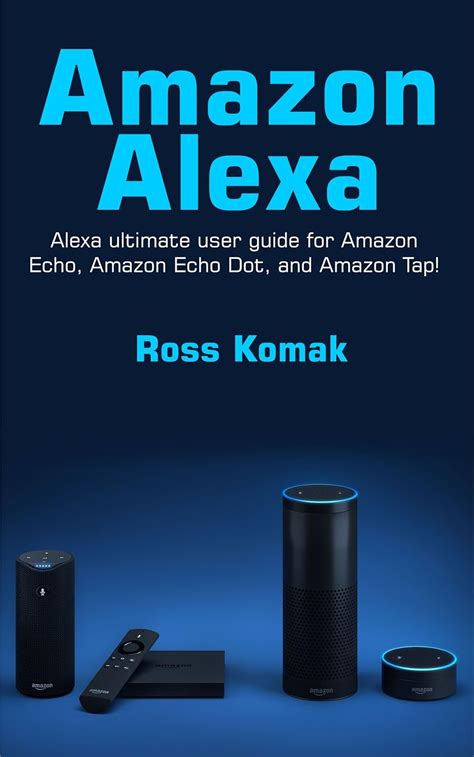
amazon alexa ultimate user guide 2017 for amazon
As Amazon continues to lead the smart home revolution, Alexa has become a household name for voice-controlled convenience and innovative technology. The Amazon Alexa Ultimate User Guide 2017 for Amazon serves as an essential resource for both new and experienced users, helping them unlock the full potential of their Alexa-enabled devices. This comprehensive guide aims to walk you through setup, features, tips, and troubleshooting to ensure you get the most out of your Amazon Alexa experience.
Understanding Amazon Alexa and Its Capabilities
Before diving into setup and usage, it’s important to understand what Amazon Alexa is and what it can do.
What is Amazon Alexa?
Amazon Alexa is a cloud-based voice service that powers Echo devices and other compatible gadgets. It allows users to interact via voice commands to perform tasks such as playing music, controlling smart home devices, setting reminders, and accessing information from the internet.
Key Features of Alexa in 2017
- Voice-controlled music playback from services like Amazon Music, Spotify, Pandora
- Smart home device control (lights, thermostats, locks)
- Information retrieval (weather, news, traffic)
- Setting alarms, timers, reminders
- Shopping and ordering via Amazon
- Skills integration: third-party apps that expand Alexa's functionality
Getting Started with Your Amazon Alexa Device
Choosing the Right Alexa Device
In 2017, Amazon offered various Alexa-enabled devices:
- Amazon Echo: The original voice-controlled speaker
- Echo Dot: Compact version with similar features
- Echo Tap: Portable speaker with Alexa
- Echo Show: Echo with a touchscreen for visual interactions
Unboxing and Initial Setup
Follow these steps to get your Alexa device up and running:
- Unbox and connect to power: Plug in your device using the included power adapter.
- Download the Alexa app: Available on iOS and Android.
- Connect to Wi-Fi: Use the app to connect your device to your home Wi-Fi network.
- Sign in with Amazon account: This links your device to your Amazon profile.
- Configure device settings: Set your preferences, location, and voice profile if applicable.
Setting Up the Alexa App
The Alexa app is your control center:
- Manage connected devices
- Enable skills
- Customize settings
- Review activity logs
Configuring and Customizing Your Alexa Experience
Connecting Smart Home Devices
Alexa’s smart home integration is a major feature. To connect devices:
- Ensure your smart devices are compatible and connected to your Wi-Fi
- Open the Alexa app and navigate to “Devices”
- Tap “Add Device” and select your device type
- Follow on-screen instructions to link accounts and discover devices
Supported Devices Include:
- Smart bulbs (Philips Hue, LIFX)
- Smart thermostats (Nest, Ecobee)
- Smart locks (August, Schlage)
- Cameras and security systems
Managing Skills and Apps
Skills are third-party apps that extend Alexa’s capabilities:
- Browse and enable skills via the Alexa app
- Popular skills in 2017 include:
- Uber
- Domino’s Pizza
- NPR News
- Fitbit
To enable a skill:
- Open the Alexa app
- Go to “Skills & Games”
- Search for the desired skill
- Tap “Enable”
- Link accounts if necessary
Personalizing Voice Recognition
In 2017, Alexa introduced multiple voice profiles:
- Use the Alexa app to create voice profiles
- Personalized responses and content delivery
- Useful for household members to get tailored information
Mastering Alexa Commands and Usage
Basic Voice Commands
Start with simple commands:
- “Alexa, what’s the weather today?”
- “Alexa, play jazz music”
- “Alexa, set a timer for 10 minutes”
- “Alexa, add milk to my shopping list”
Controlling Smart Home Devices
Example commands:
- “Alexa, turn on the living room lights”
- “Alexa, set the thermostat to 72 degrees”
- “Alexa, lock the front door”
Managing Music and Entertainment
Connect your preferred music service and try:
- “Alexa, play Top Hits playlist”
- “Alexa, pause the music”
- “Alexa, next song”
Setting Alarms, Reminders, and Timers
Use voice to stay organized:
- “Alexa, set an alarm for 7 AM”
- “Alexa, remind me to call Mom at 5 PM”
- “Alexa, start a 15-minute timer”
Getting Information and News
Ask for updates:
- “Alexa, what’s the news today?”
- “Alexa, what’s the traffic to downtown?”
- “Alexa, what’s the weather forecast for the weekend?”
Advanced Tips and Tricks for Alexa in 2017
Creating Customized Routines
Routines are sequences of actions triggered by a single command:
- Open the Alexa app
- Navigate to “Routines”
- Tap “Create Routine”
- Name your routine (e.g., “Good Morning”)
- Set trigger phrase
- Add actions (play music, turn on lights, give weather update)
- Save and activate
Example Routine:
- Trigger: “Alexa, good morning”
- Actions:
- Announce weather forecast
- Turn on smart lights
- Play morning news
Using Alexa Skills for Enhanced Functionality
Explore and enable new skills regularly:
- Check the Skills Store
- Enable skills for games, ordering food, fitness tracking
- Keep skills updated for optimal performance
Privacy and Security Settings
Control your privacy:
- Manage voice recordings in the Alexa app
- Delete voice history
- Turn off microphone access when needed
Troubleshooting Common Alexa Issues
Device Not Responding
- Ensure the device is powered and connected to Wi-Fi
- Restart the device
- Check the microphone toggle switch
Connectivity Problems
- Reboot your router
- Reconnect your device via the Alexa app
- Ensure firmware is up-to-date
Skills Not Working Properly
- Disable and re-enable the skill
- Re-link accounts
- Check for app updates
Audio Quality Concerns
- Adjust device placement
- Check Wi-Fi signal strength
- Update firmware and app
Maintaining and Updating Your Alexa Device
- Regularly check for firmware updates via the Alexa app
- Keep the Alexa app updated on your mobile device
- Clean microphones and speakers periodically
- Manage connected devices and remove unused skills or devices
Future Trends and Features (Post-2017 Outlook)
While this guide focuses on 2017 features, Alexa’s evolution continues:
- Improved voice recognition
- Expanded skill ecosystem
- Integration with more smart home devices
- Advanced routines and automation
- Better privacy controls
By staying informed and experimenting with new features, users can maximize their Alexa experience beyond 2017.
Conclusion
The Amazon Alexa Ultimate User Guide 2017 for Amazon provides a solid foundation for mastering Alexa’s capabilities. From initial setup to advanced routines, understanding device management, and troubleshooting, this guide aims to empower users to create a seamless smart home environment. As Alexa continues to evolve, staying updated with new features and skills will ensure you get the most out of your voice assistant.
Embrace the convenience of voice control, enhance your home automation, and enjoy a smarter, more connected living space with your Amazon Alexa device.
Amazon Alexa Ultimate User Guide 2017 for Amazon: Unlocking the Power of Your Smart Home Assistant
In 2017, Amazon Alexa was rapidly establishing itself as a leading voice-controlled intelligent assistant, transforming the way users interacted with their devices and managed their homes. The Amazon Alexa Ultimate User Guide 2017 for Amazon served as an essential resource for both new and seasoned users, providing comprehensive insights into setting up, customizing, and maximizing the capabilities of Alexa-enabled devices. This guide aimed to empower users with the knowledge needed to leverage Alexa’s full potential, from basic commands to advanced integrations, ensuring a seamless and intelligent smart home experience.
Overview of Amazon Alexa in 2017
What is Amazon Alexa?
Amazon Alexa is a cloud-based voice service that powers a range of smart devices, most notably the Amazon Echo series. Released in late 2014 and gaining significant traction by 2017, Alexa allows users to perform tasks, control smart home devices, access information, and entertain through simple voice commands. Its open ecosystem encourages third-party developers to build skills, expanding its functionality continually.
Why a User Guide in 2017?
By 2017, Alexa had matured significantly, with numerous updates, new features, and a growing device ecosystem. The Amazon Alexa Ultimate User Guide 2017 was created to help users navigate this evolving landscape, offering step-by-step instructions, troubleshooting tips, and best practices to optimize their experience.
Setting Up Your Alexa Device
Unboxing and Hardware Setup
The initial setup process involved connecting the Echo device to a power source, downloading the Alexa app on your smartphone, and connecting the device to your Wi-Fi network. The guide emphasized the importance of a stable internet connection and provided detailed instructions for different Echo models available at the time.
Downloading and Installing the Alexa App
The Alexa app, available on iOS and Android devices, was essential for configuration, managing skills, and customizing settings. The guide detailed how to:
- Create or sign into your Amazon account
- Pair the Echo device with the app
- Configure Wi-Fi settings
- Customize device preferences
Basic Voice Commands
Once setup was complete, users were encouraged to try simple commands such as:
- “Alexa, what’s the weather today?”
- “Alexa, play some music.”
- “Alexa, set a timer for 10 minutes.”
The guide provided a list of common commands to get users started confidently.
Customizing Alexa for Optimal Use
Personalization and Voice Profiles
A key feature highlighted was the ability to create individual voice profiles, allowing Alexa to recognize different users and tailor responses accordingly. The guide explained how to:
- Set up voice profiles through the Alexa app
- Manage multiple users
- Use voice recognition to access personalized content
Managing Skills and Apps
Skills are third-party voice apps that extend Alexa’s capabilities. The guide outlined how to:
- Browse and enable skills from the Alexa Skills Store
- Disable or remove skills
- Keep skills updated for optimal performance
Popular skills included news briefings, trivia games, and smart home controls.
Connecting Smart Home Devices
One of Alexa’s biggest strengths was its compatibility with various smart home devices. The user guide provided detailed instructions for:
- Adding compatible devices (lights, thermostats, locks)
- Naming devices for easy control
- Creating groups for multi-device commands
For instance, users could say, “Alexa, turn on the living room lights,” or “Set the thermostat to 72 degrees.”
Advanced Features and Tips
Routines and Automation
The guide emphasized the power of routines—predefined sequences of actions triggered by a single command or at scheduled times. Users could create routines for morning wake-up, bedtime, or arriving home, combining multiple commands such as:
- Turning on lights
- Playing music
- Providing weather updates
The Alexa app’s routines section was explained in detail, showcasing how to set up personalized automation.
Skills Development and Custom Skills
For tech-savvy users, the guide encouraged exploring the creation of custom skills using Alexa Skills Kit (ASK). While more advanced, this feature allowed developers to craft tailored voice experiences for specific needs.
Using Alexa for Entertainment
From playing music on Amazon Music, Spotify, or Pandora to controlling compatible smart TVs and streaming devices, Alexa’s entertainment capabilities were extensively covered. The guide included tips for:
- Linking music accounts
- Creating playlists via voice commands
- Using Alexa as a multi-room speaker system
Troubleshooting and Maintenance
Common Issues and Fixes
The guide provided troubleshooting steps for typical problems such as:
- Connectivity issues
- Unresponsive devices
- Voice recognition errors
Tips included resetting devices, updating firmware, and checking Wi-Fi signals.
Firmware and Software Updates
Regular updates were crucial for security and new features. The guide explained how to ensure your device was kept current via the Alexa app.
Pros and Cons of Alexa in 2017
Pros
- Hands-Free Convenience: Voice control for multiple tasks
- Smart Home Integration: Compatibility with a growing ecosystem
- Customizable Skills: Expandable functionalities
- Multi-User Support: Recognize individual voices
- Routine Automation: Simplify daily tasks
Cons
- Privacy Concerns: Always-listening microphone raises privacy issues
- Dependence on Internet Connection: Limited offline capabilities
- Learning Curve: New users may find initial setup complex
- Device Compatibility: Not all third-party devices work seamlessly
- Limited Localization: Some features limited outside the US and UK
Future Outlook and Updates Beyond 2017
While the Amazon Alexa Ultimate User Guide 2017 provided a thorough overview of the assistant’s capabilities at that time, Alexa’s ecosystem continued to evolve rapidly. Subsequent years saw improvements in voice recognition accuracy, expanded smart home compatibility, and enhanced routines and skills. Users were encouraged to stay updated with Amazon’s releases and community forums for the latest features.
Final Thoughts
The Amazon Alexa Ultimate User Guide 2017 for Amazon was an invaluable resource for navigating the early days of Alexa’s smart home revolution. It demystified the setup process, highlighted best practices, and showcased the assistant’s versatility. Whether you wanted to manage your smart home devices, access entertainment, or automate daily routines, this guide provided the foundation to unlock Alexa’s full potential. As voice technology continues to grow, mastering these basics remains essential for a seamless and intelligent living experience.
In conclusion, embracing Alexa in 2017 meant stepping into a smarter, more connected world. With the right knowledge, users could transform their homes into intuitive spaces that responded effortlessly to their commands, making daily life more convenient and enjoyable. The guide’s comprehensive approach ensured users had all the tools needed to make the most out of their Alexa-enabled devices, setting the stage for continued innovation and smarter living.
Question Answer What are the key features introduced in the Amazon Alexa Ultimate User Guide 2017? The guide highlights Alexa's capabilities such as voice shopping, smart home control, skill management, music streaming, and personalized routines, along with setup and troubleshooting tips. How do I set up my Amazon Alexa device according to the 2017 user guide? The guide recommends downloading the Alexa app, connecting your device to Wi-Fi, signing into your Amazon account, and following the in-app instructions to complete setup. What are the most popular Alexa skills recommended in the 2017 guide? Popular skills include weather updates, news briefings, smart home device control, music services like Spotify, and trivia games to enhance user experience. How can I customize Alexa routines as per the 2017 user guide? You can create routines via the Alexa app by selecting 'Routines,' then setting triggers like voice commands or time, and assigning actions such as playing music or controlling smart devices. What troubleshooting steps are suggested in the 2017 Alexa user guide? The guide suggests restarting the device, checking Wi-Fi connections, updating the firmware, resetting to factory settings if needed, and ensuring your app is up to date. Does the 2017 user guide cover how to integrate Alexa with smart home devices? Yes, it provides instructions on connecting compatible smart home devices via the Alexa app, enabling voice control for lights, thermostats, and more. How does the 2017 guide recommend managing privacy and security with Alexa? It advises reviewing voice recording settings, deleting recordings periodically, disabling voice purchasing, and adjusting privacy preferences in the Alexa app. Are there any limitations or known issues highlighted in the 2017 user guide? The guide notes potential connectivity issues, limited third-party skill availability at the time, and advises updating firmware to mitigate bugs. What updates or new features does the 2017 Alexa user guide mention compared to earlier versions? It introduces enhanced voice recognition, expanded smart home integrations, new skills, and improved routines customization options compared to previous versions.
Related keywords: Amazon Alexa, Alexa User Guide, Alexa 2017, Amazon Alexa Tips, Alexa Skills, Alexa Setup, Voice Control, Smart Home Alexa, Alexa Troubleshooting, Amazon Echo User Guide
